Simple Tasks That Help Prevent Costly Repairs
Wednesday, Apr 29, 2026
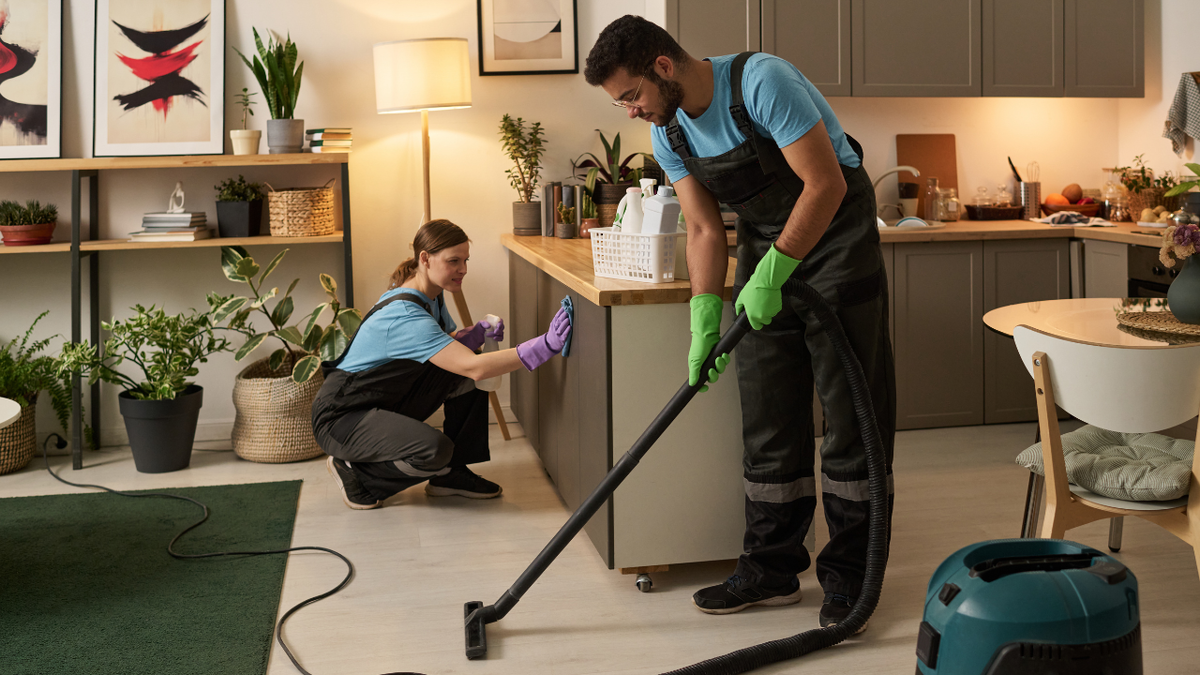
Owning a home comes with ongoing responsibilities, and keeping track of maintenance tasks can sometimes feel overwhelming.
The good news is that staying proactive with small monthly checks can prevent bigger problems later and often save you money in the long run.
To make home care more manageable, here’s a practical monthly maintenance checklist covering the most important areas to watch around your home.
1. Test Safety Devices and Emergency Supplies
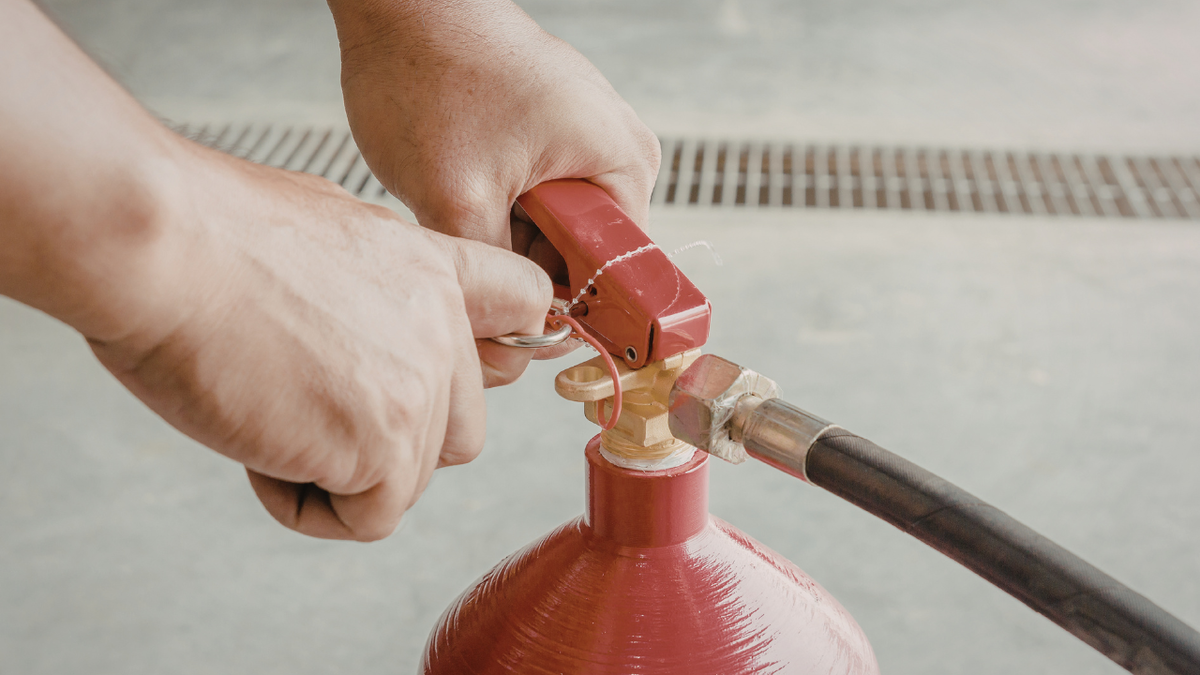
Home safety should always be a top priority.
Taking a few minutes each month to check your safety equipment can make a big difference during an emergency.
Be sure to:
- Test your home security system to confirm it’s working properly
- Check smoke detectors and carbon monoxide alarms
- Replace batteries if needed
- Confirm fire extinguishers are still within their expiration dates
- Review emergency supplies such as flashlights, batteries, and backup essentials
Having these systems ready ensures your home stays protected during unexpected situations like power outages or severe weather.
2. Keep Landscaping Neat and Well-Maintained
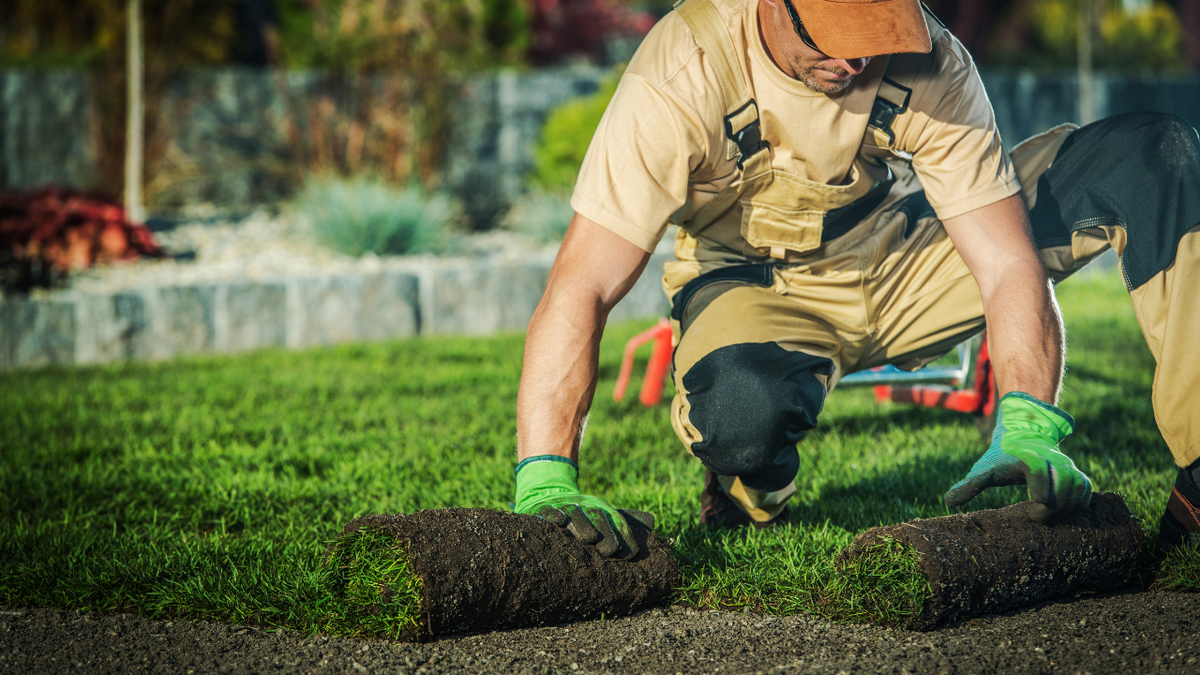
Regular yard maintenance isn’t just about appearance—it also protects your home.
During warmer months, spend time each month:
- Removing weeds from flower beds
- Clearing leaves and yard debris
- Trimming bushes and plants
- Maintaining lawn areas
Allowing debris or overgrown plants to build up can attract pests and, in some cases, increase fire risks.
Keeping outdoor spaces tidy helps protect your property and improves curb appeal.
3. Maintain Your Kitchen and Appliances
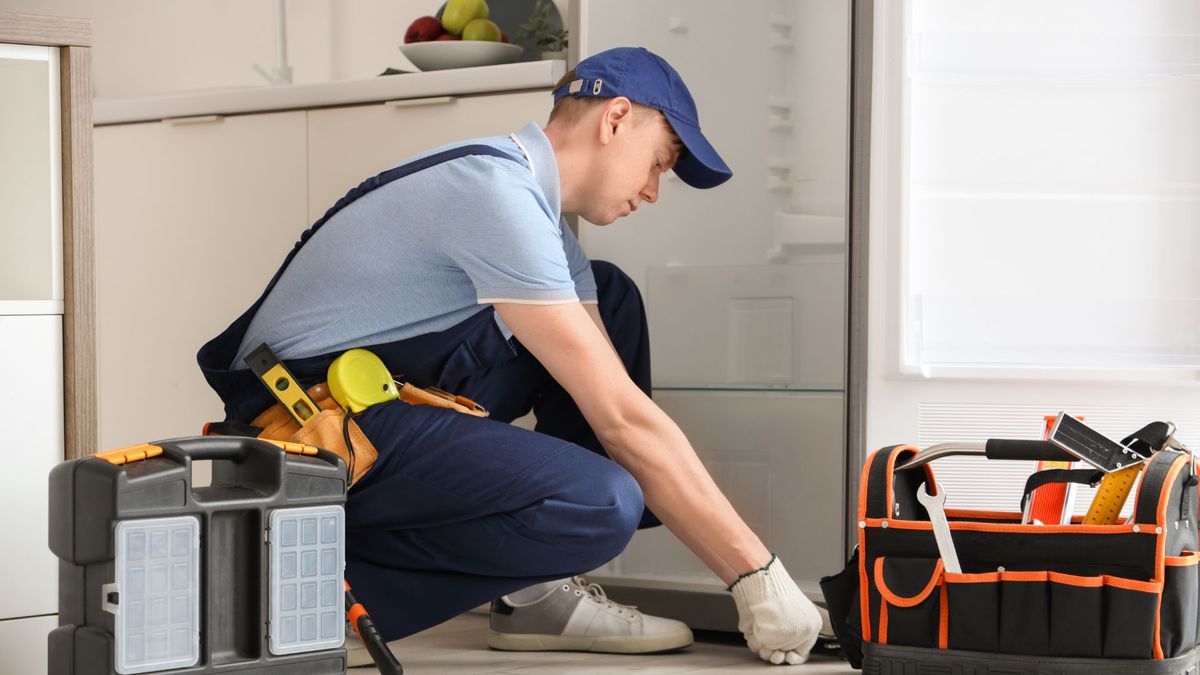
The kitchen is one of the busiest areas in most homes,
which makes it more likely to experience wear and tear.
Monthly kitchen maintenance should include:
- Wiping cabinet surfaces
- Checking pantry items and discarding expired food
- Cleaning appliances according to manufacturer instructions
- Inspecting refrigerator hoses and connections
- Replacing water filters when needed
- Looking for signs of leaks or moisture buildup
Routine attention helps appliances last longer and reduces the chance of unexpected breakdowns.
4. Clean Moisture-Prone Areas
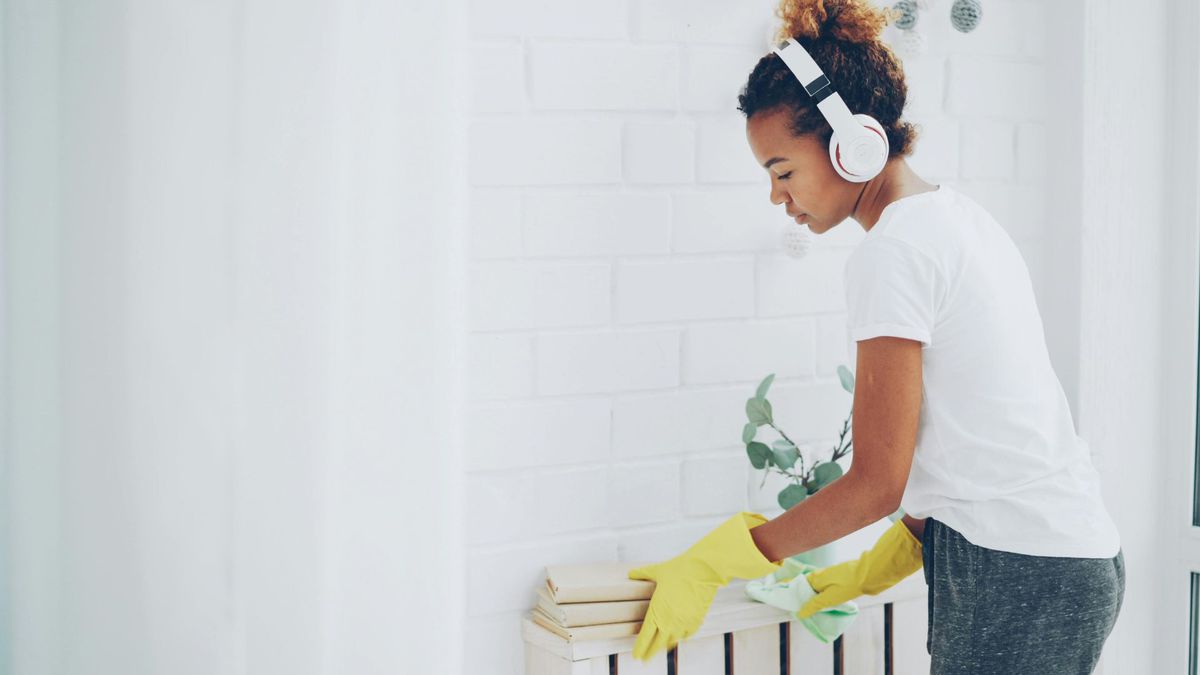
Bathrooms and other humid spaces are especially vulnerable to mold and mildew if not maintained regularly.
Each month, take time to:
- Scrub bathroom tiles and grout
- Clean sinks, tubs, and showers
- Inspect plumbing fixtures for leaks
- Check caulking around tubs, sinks, and toilets
- Ensure proper ventilation during cleaning
Early detection of moisture issues can prevent mold growth and costly water damage.
5. Check Major Home Systems
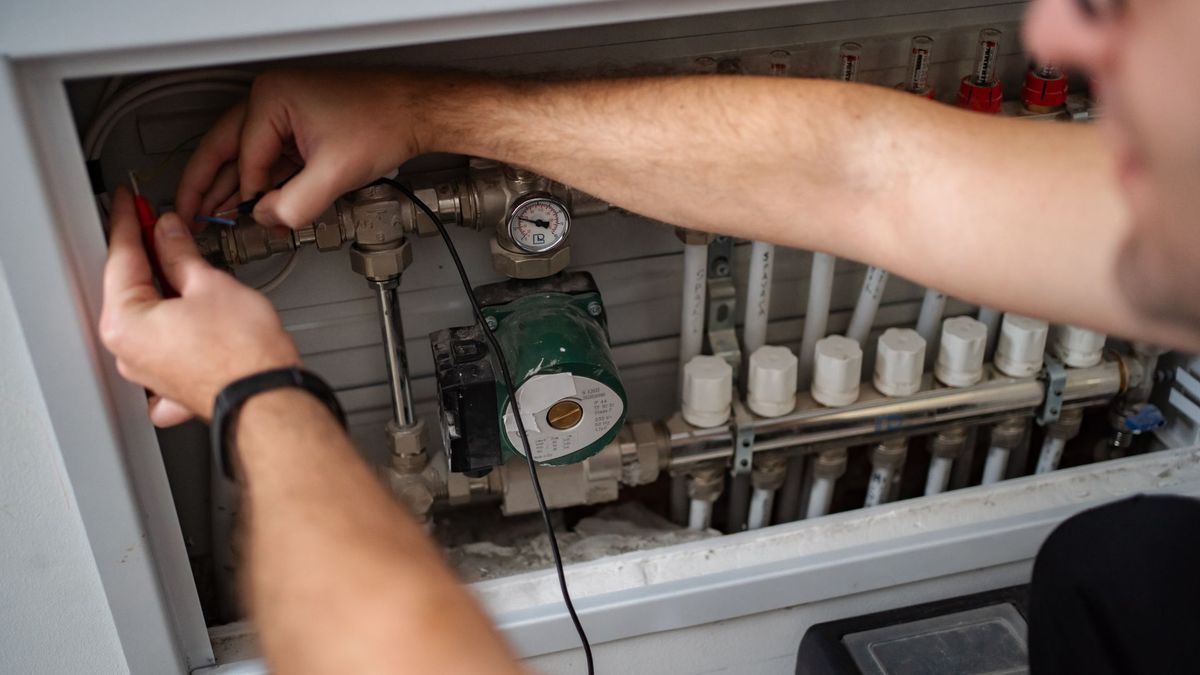
Even when everything seems to be working normally, it's wise to keep an eye on your home’s major systems.
Monthly system checks may include:
- Inspecting heating and cooling equipment
- Replacing dirty air filters
- Ensuring vents are clear
- Watching for unusual noises or performance changes
Seasonal preparation also plays an important role. For example, outdoor water sources should be prepared
ahead of colder months to reduce the risk of freezing damage.
6. Monitor Plumbing for Early Warning Signs
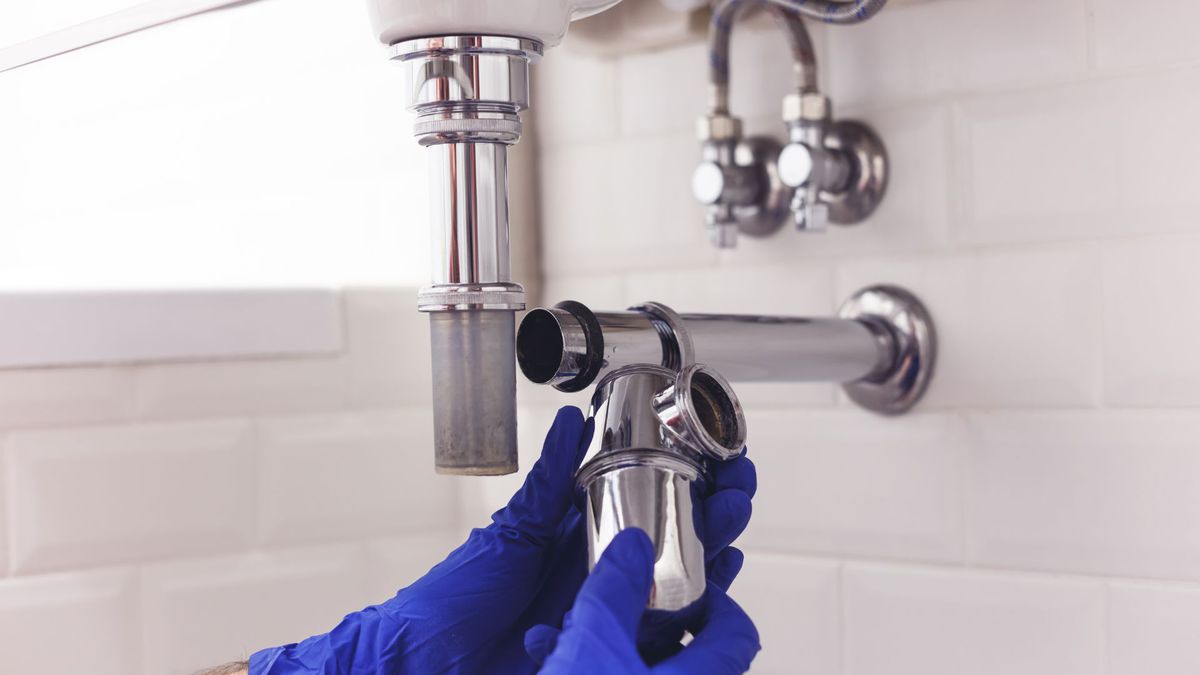
Plumbing problems can start small but grow quickly if ignored.
During your monthly inspection, look for:
- Rust or discoloration on pipes
- Cracks or stress marks on plastic piping
- Mineral buildup or corrosion
- Signs of leaking connections
- Slow-draining sinks or tubs
- Toilets that continue running after flushing
Addressing minor plumbing concerns early can prevent water damage and reduce utility costs.
7. Inspect Gutters and Downspouts
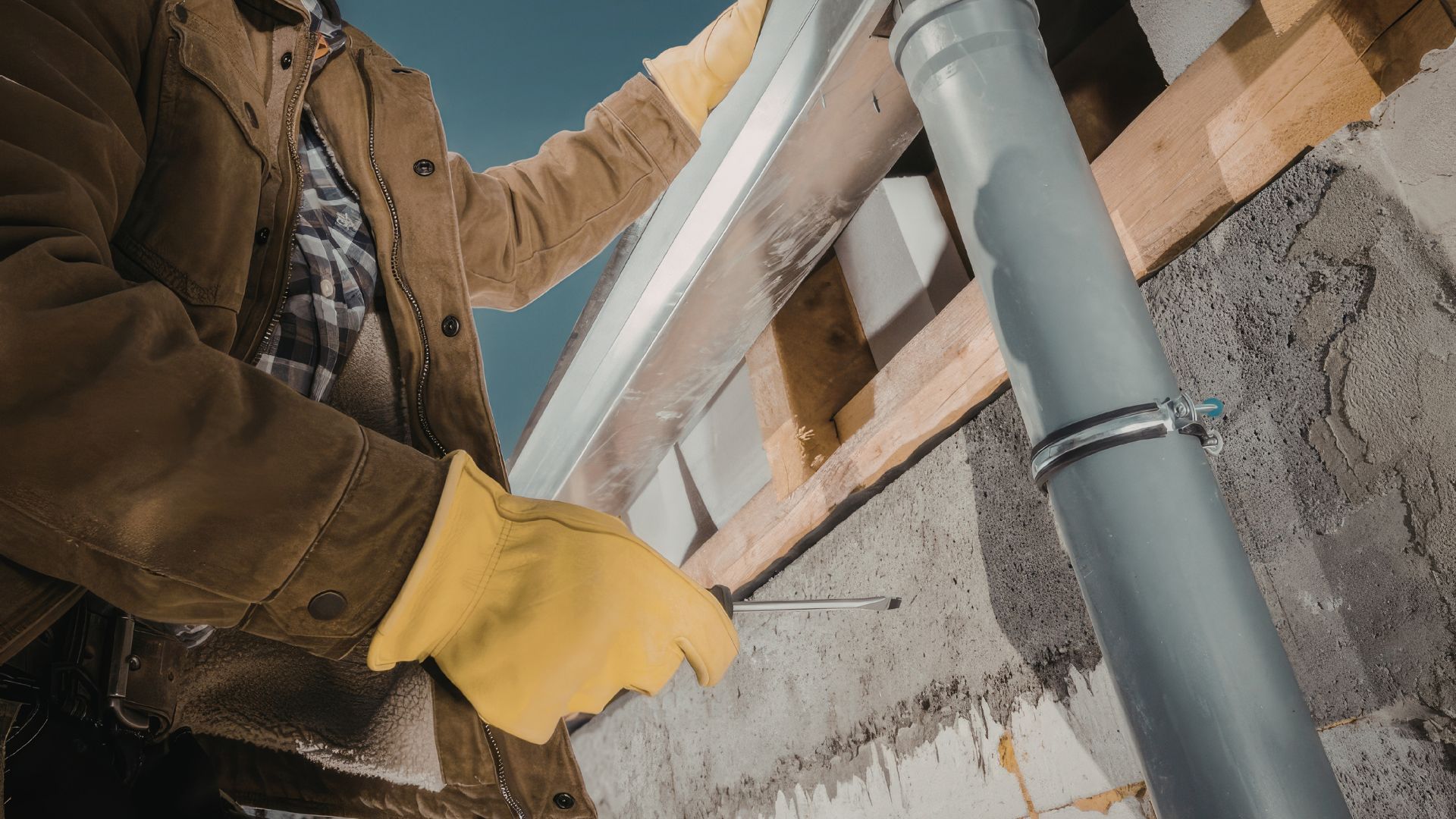
Gutters play an important role in protecting your home from water damage by directing rainwater away from the structure.
Check your gutters monthly for:
- Leaves and debris buildup
- Blocked drainage
- Loose or damaged sections
- Improper water flow
This task becomes especially important during fall when leaves accumulate quickly, but it’s still helpful to check periodically throughout the year.
8. Keep Cleaning Supplies Well-Stocked
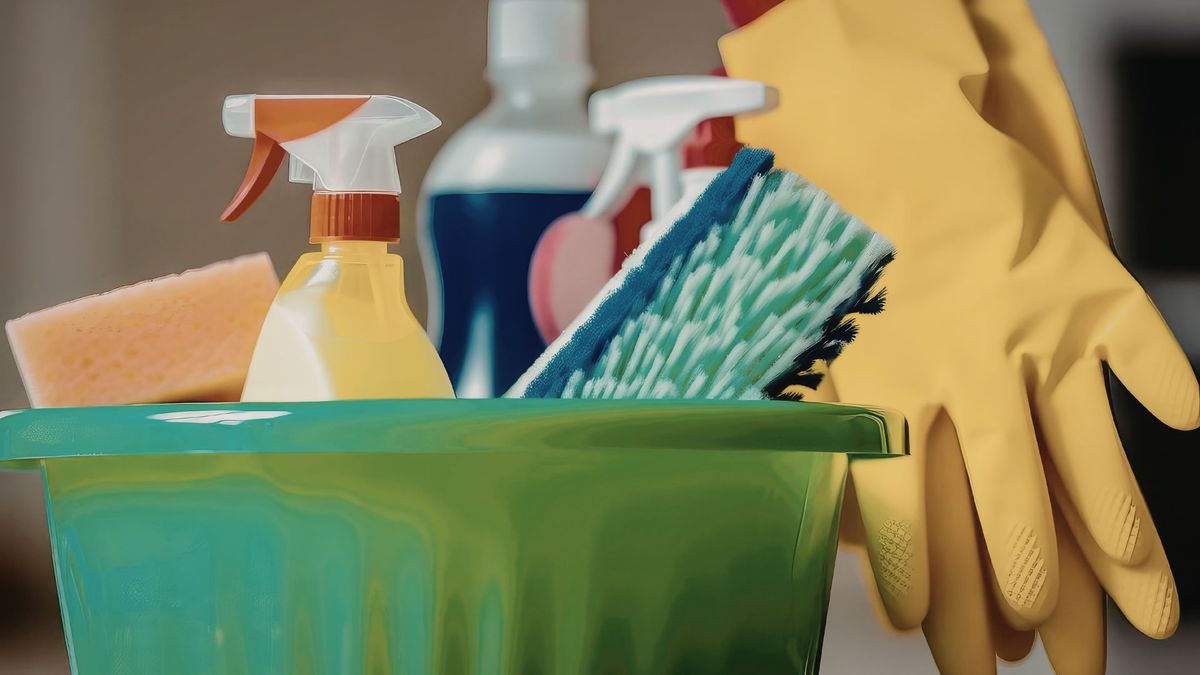
Running out of essential supplies can interrupt your home maintenance routine—especially during unexpected situations.
Make it a habit to:
- Review your supply inventory
- Replace empty or low items
- Keep enough essentials on hand
- Store cleaning materials in accessible locations
Prepared households are better equipped to handle emergencies and routine cleaning tasks alike.
9. Walk Through Your Entire Property
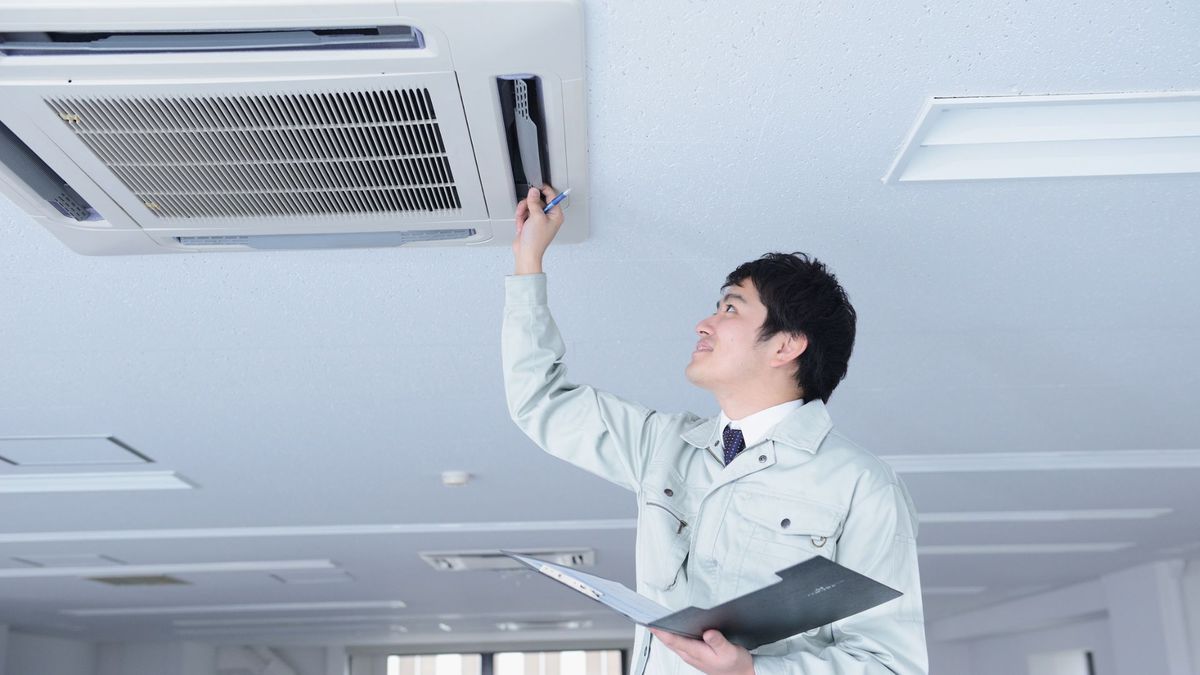
Some areas of the home are easy to forget because they aren’t used often.
Each month, take a walk-through of spaces such as:
- Attics
- Basements
- Crawl spaces
- Under decks
- Storage areas
Look for signs of:
- Pest activity
- Moisture or leaks
- Mold growth
- Wood rot
- Structural concerns
Also, check outdoor features like large trees for signs of damage or decay, and confirm that garage doors and openers are functioning properly.
10. Update Your Home Inventory Records
Keeping an up-to-date record of your belongings is helpful if you ever need to file an insurance claim.
Whenever you:
- Renovate a space
- Purchase new appliances
- Buy valuable furniture
- Add major household items
Make sure to:
- Save receipts
- Take photos
- Update your home inventory list
Maintaining accurate records ensures better protection and smoother insurance processes if something unexpected occurs.
Why Monthly Maintenance Matters
Regular home maintenance doesn’t just keep your home looking good
it helps prevent expensive repairs and unexpected problems.
Small monthly checks can:
- Extend the lifespan of appliances and systems
- Reduce the risk of major damage
- Improve safety
- Maintain property value
- Lower long-term repair costs
Being consistent with routine tasks is one of the smartest ways to protect your investment.
Final Thoughts: Small Tasks Make a Big Difference
Home maintenance doesn’t have to feel overwhelming when it’s broken into manageable monthly tasks.
By checking safety systems, monitoring plumbing, maintaining appliances, and inspecting less-used areas,
you can catch problems early and keep your home running smoothly.
A little effort each month can save you time, money, and stress while helping your home stay safe, efficient, and comfortable for years to come.